Room Acoustics Beat Equipment Upgrades Every Time
 melissa troutman
September 30, 2026
5 min read
melissa troutman
September 30, 2026
5 min read
Audio problems are consistently diagnosed as equipment problems, and the diagnosis is usually wrong. The single largest variable in how a system sounds is the room it is in, and the room is the component nobody upgrades.
This is good news, because room treatment is frequently cheaper than the alternatives and it improves everything at once.
What the room does to sound
Sound leaves a speaker in all directions, reflects off every hard surface and arrives at the listener several times over. The first arrival is the direct sound, and everything after it is the room.
Hard surfaces reflect more and reflect it later, which blurs detail and makes speech harder to follow. Soft surfaces absorb, which reduces the reflections and lets the direct sound dominate.
The proportion of reflected to direct sound is what listeners describe as clarity, and it is determined almost entirely by the room’s furnishings rather than by the equipment.
Why the problem is invisible
Rooms do not look like they sound. A hard floor and bare walls read as modern and clean in a photograph and produce a bright, fatiguing sound in practice.
Listeners also adapt. A household living with a reflective room gradually stops noticing the reflection and starts attributing the residual problem to the speakers, which is how component upgrades begin.
The confusion is compounded because a better speaker in a bad room can sound worse than a worse speaker in a good room, which contradicts the intuitive model of how upgrades work.
Case one: the rug
The first case is a household that added a large rug to a hard-floored living room and reported a substantial improvement in dialogue intelligibility with no other change.
The rug reduced the strongest early reflection, which is the one from the floor between the speaker and the listener. That reflection does the most damage to speech and it is the easiest to address.
The rug cost a fraction of the soundbar upgrade the household had been considering, and it improved the result more.
Case two: the curtains and the window
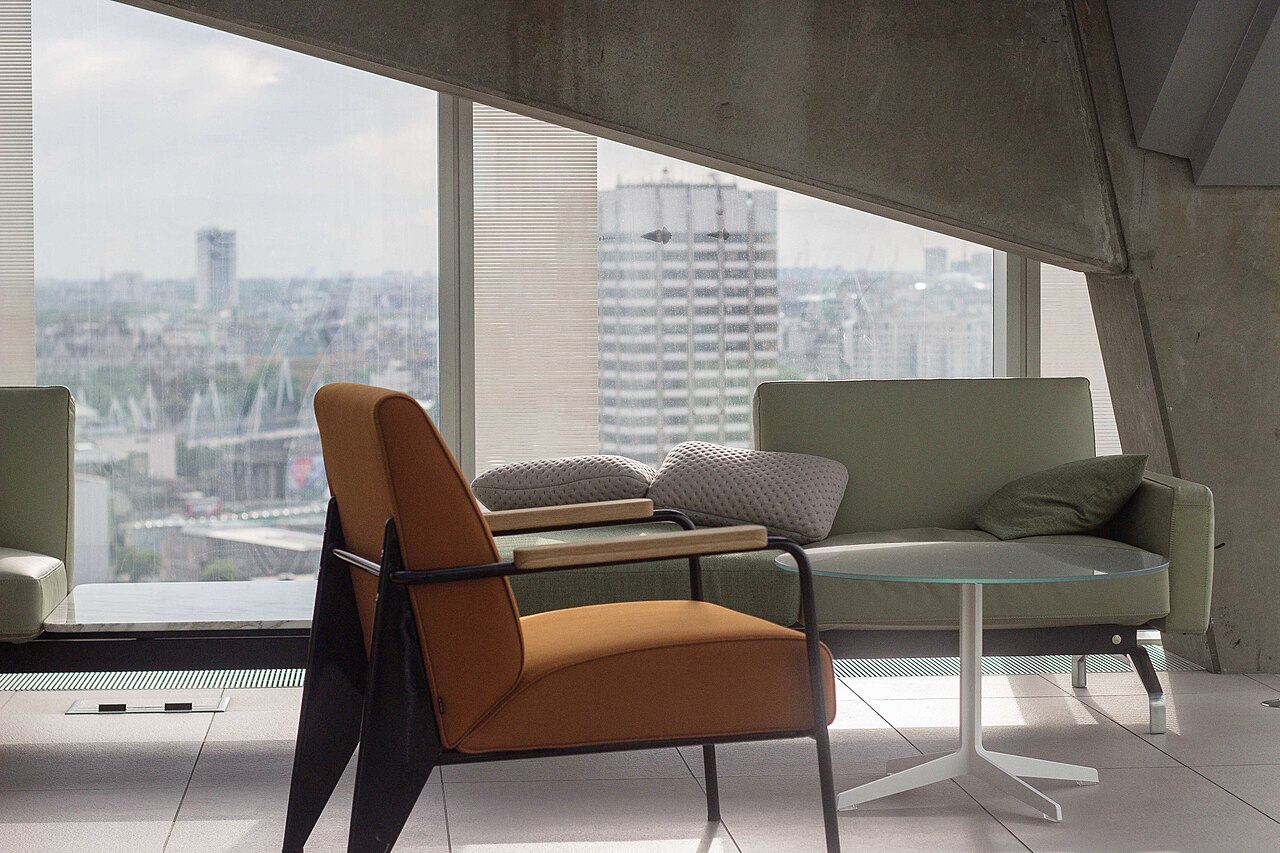
The second case is a room with a large glazed wall, which is the most reflective common surface in a domestic space. Heavy curtains reduced the reflection enough to change the character of the room.
Curtains also address the wall behind the listener, which produces the reflection most responsible for perceived echo. Absorbing it changes the room’s acoustic signature more than any single other intervention.
The household described the effect as the system sounding more expensive, which is the standard description of a room correction achieved cheaply.
Case three: the speaker repositioning
The third case is a household that moved its speakers away from a wall and adjusted their angle toward the seating position, with no purchase at all.
Placing a speaker close to a wall reinforces low frequencies, which produces a boomy, indistinct sound. Moving it out restores balance, and angling it toward the listener improves the direct-to-reflected ratio.
The change took twenty minutes and was reported as larger than the difference between the previous speakers and the replacements the household had been considering.
What to do, in order
First, address the floor with a rug if there is none. Second, add soft material to the wall behind the seating. Third, move the speakers away from walls and angle them toward the listener.
Those three steps are usually free or cheap and they capture most of the available improvement in an ordinary domestic room. Only after them is a component upgrade a reasonable use of money.
A useful check is to clap once in the middle of the room. A short, dry sound indicates a reasonably treated space and a long tail indicates a reflective one, which will need addressing before anything is bought.
Where treatment cannot substitute
Room treatment improves clarity and it does not create low frequency. A small driver in a small enclosure cannot produce deep bass regardless of the room, which makes a subwoofer one of the few upgrades that genuinely adds something.
It also cannot compensate for a speaker that is simply inadequate for the room’s size. In a large space, a small speaker will sound thin no matter how the reflections are managed.
The order matters and it is consistent. Fix the room, then fix the placement, and only then address the equipment that remains genuinely limited.
Why this advice is rare
Room treatment cannot be sold as a product category in the way that speakers can, and it lacks a specification to compare. A rug has no frequency response, which makes it difficult to market and easy to ignore.
The advice also arrives at the wrong time. Households think about audio when they are buying a device, and they think about room changes when they are moving furniture, and the two moments rarely coincide.
The practical response is to plan the room with sound in mind before buying anything. A sofa, a rug and curtains chosen partly for how they absorb sound will outperform a component upgrade for years at lower cost.
The bass problem rooms create
Low frequencies behave differently from the rest of the spectrum, and rooms reinforce them at specific frequencies determined by the room’s dimensions.
The result is that some bass notes sound disproportionately loud and others disappear, which listeners describe as a boomy or uneven low end. No speaker change fixes this, because the cause is the room.
The practical interventions are speaker and subwoofer position, which changes where in the room the reinforcement occurs and is free. Moving a subwoofer half a metre frequently produces a larger change than replacing it.
Where to place the seating
Seating position affects the low end as much as speaker position, because the reinforcement pattern varies across the room. A sofa against the rear wall sits in a region where low frequencies accumulate.
Moving the seating forward by less than a metre can substantially reduce the exaggerated low end and it costs nothing. The change is easy to test and it is usually noticeable within one track.
The pattern is consistent enough that a rough approach works without any measurement. Avoid placing the main seat tight against a wall, and favour a position roughly a third of the way into the room where the layout allows.
When professional treatment is warranted
Purpose-built acoustic panels become worthwhile in a dedicated room where the equipment is already capable and the remaining problem is genuinely the room’s reflections.
In an ordinary living room, furniture does most of the work and panels are usually unnecessary. The exceptions are rooms with very hard surfaces, unusual geometry or large glazed areas.
Approaching treatment as a last step rather than a first is the correct order, because the free interventions address most domestic problems and treatment money spent early is frequently wasted.
Where this leads
The room affects the picture as much as the sound, through viewing distance and light control. Our piece on seating distance explains the calculation that gets the most out of whatever screen is already in place.