Setting Up a Second Room: When a Smaller Setup Is the Better One
 melissa troutman
October 7, 2026
5 min read
melissa troutman
October 7, 2026
5 min read

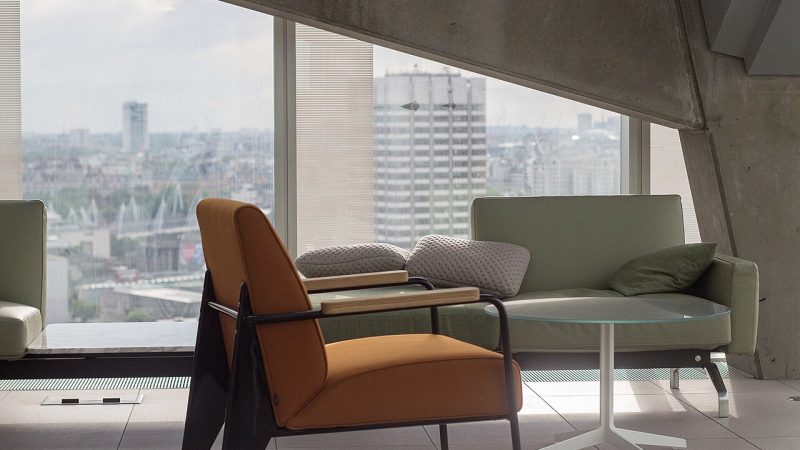
Home cinema advice is written for a single room and assumes that room is the main one. Most households have two or three places where they watch, and the second room is usually left with whatever equipment arrived with the house.
Distributing the budget differently produces more satisfaction in practice, and the reasons are structural rather than budgetary.
Why the second room matters
Different content is watched in different places. Films and sport cluster in the living room, and casual watching, second-screen content and late-night viewing cluster in bedrooms and studies.
If the second room is poor, households either watch the wrong content there or move the good viewing to the wrong time. Both are common and both reduce the value of the equipment already owned.
The second room also gets used when the main room is occupied, which in a shared household is a large fraction of the time. A poor second room means a poor experience for whoever is displaced.
Where the money goes furthest
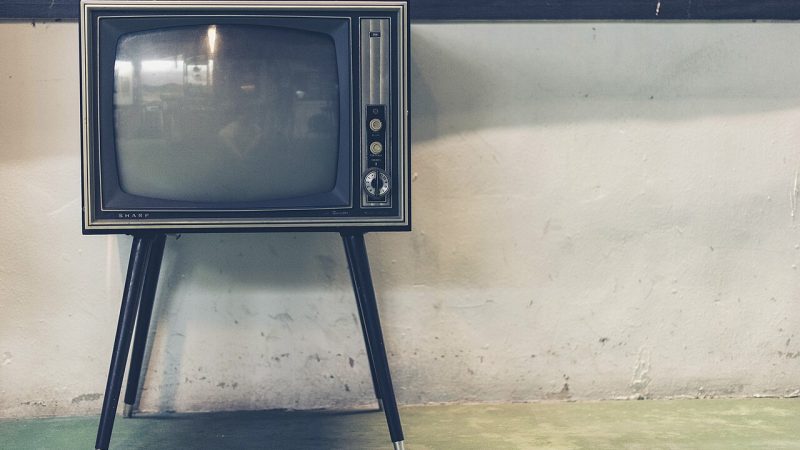
A second room rarely needs surround sound, a large screen or a projector. It needs a decent panel at a sensible distance, adequate dialogue clarity and a pair of headphones for late viewing.
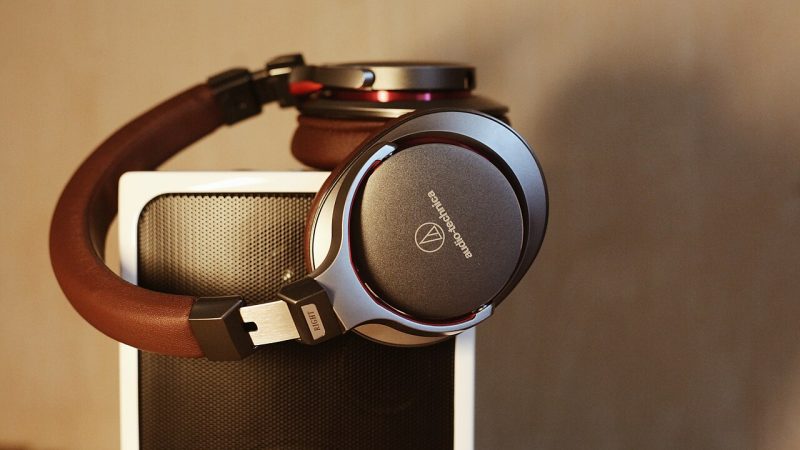
The last item is the most valuable and the most commonly omitted. Headphones solve the entire late-night problem at a fraction of the cost of any speaker upgrade, and they remove the room from the equation.
A modest panel plus headphones frequently outperforms a mid-range soundbar setup for the content that is actually watched in a bedroom, which is mostly dialogue and second-screen viewing.
Case one: the bedroom with a soundbar
The first case is a household that added a soundbar to a bedroom television and reported an improvement in dialogue clarity but no change in how much they used the room.
The soundbar helped and the underlying problem remained, which was that late-night viewing disturbed the other person. A pair of headphones would have solved that directly.
The household eventually bought headphones and described them as the change that made the room usable, which is a common sequence and an avoidable one.
Case two: the study with a monitor
The second case is a study used for work and occasional viewing, where a household added a large monitor and a pair of speakers to a desk setup.
The arrangement solves the second-room problem less expensively than a television, since a monitor is cheaper at the same size and the desk already exists. The viewing is less communal and considerably more convenient.
Desk-based setups also benefit from the proximity, which makes small speakers and modest panels significantly more effective than the same equipment at living-room distance.
Case three: the identical rooms mistake
The third case is a household that duplicated its main setup in a second room, at considerable cost, and then discovered that the second room was used mainly for broadcast and casual viewing.
The expensive equipment was underused and the household reported the duplication as a mistake. The correct allocation was a modest setup in the second room and the remainder spent improving the room’s acoustics in the first.
The lesson is that equipment should match the content rather than matching the other room, and the two are rarely the same.
Headphones as a first-class option
Headphones deserve a larger role in home cinema advice than they receive. They eliminate the room’s acoustic problems entirely, they provide the best available dialogue clarity per unit of cost, and they solve the noise problem that limits late viewing.
The main limitations are that they exclude other viewers and that some households find them uncomfortable for long sessions. Both are real and neither applies to single-person late-night viewing.
For a household where one person watches after the other has gone to bed, a good pair of headphones is functionally the most valuable piece of equipment in the house and it costs less than almost anything else discussed here.
Planning across rooms
Decide the content for each room first, then allocate. Films and sport justify the large screen and the audio investment, and casual viewing justifies a good panel and headphones.
Then check the distances in each room before buying anything, since a modest panel viewed from the correct distance will outperform a larger one viewed from the wrong distance in the same room.
Finally, treat the headphone purchase as part of the plan rather than as an afterthought. It is the least glamorous item on the list and it is the one that most reliably changes how much a second room gets used.
The noise problem nobody plans for
The most common constraint on home cinema use in a shared home is not quality. It is that watching disturbs somebody else, and no equipment upgrade addresses it.
This constraint shapes viewing behaviour more than any other. Households watch less, they watch with the volume low, and they reduce the amount of content with impact, all of which reduces the value of the equipment they bought.
Solving it is cheap. Headphones, or a setup with a night mode that compresses the dynamic range, cost far less than any picture or audio upgrade and they change how much the room is used.
Dynamic range compression
Most receivers and many soundbars offer a night mode that reduces the difference between quiet dialogue and loud effects. The setting exists precisely for late viewing and it is rarely enabled.
The tonal trade is small and the practical gain is large. A household that enables it can watch at a volume where the dialogue is audible without the effects waking anyone.
Checking whether the equipment offers the setting is worth doing before buying anything else, since a feature already owned and unused costs nothing at all.
How to allocate a single budget
Measure the room sizes and seating distances first, then decide the content for each room, and only then allocate money. Most allocations change at the first step.
Then buy the small things that solve constraints rather than the large things that improve specifications. Headphones, a rug and a set of curtains are less interesting than a screen and they will change how the setup is used more.
The order is uncomfortable because it means spending on things that cannot be compared in a shop. It is nonetheless the order that produces the best result for the money, and it is the same destination the other pieces in this section reach from different directions.
Where this leads
Allocating across rooms starts with measuring each one, and the measurements are the same in every case. Our piece on seating distance gives the calculation, and our piece on room acoustics covers what to do with the result.